

Jujube (Red Date)
Key Features
Nutrient-Rich
Contains vitamin C (fresh jujube provides 300–600mg/100g, 70 times more than apples).
Rich in cyclic adenosine monophosphate (cAMP), iron, calcium, and other minerals.
Contains amino acids and triterpenoids.
Diverse Varieties
By processing method: Fresh jujube, dried jujube, candied jujube, jujube slices.
Premium varieties: Xinjiang Ruoqiang jujube, Shanxi Jun jujube, Hebei "Golden Silk" small jujube.
Dual Use as Food & Medicine
Recorded in Compendium of Materia Medica (Bencao Gangmu):
"Jujube is sweet and warm-natured, tonifies the spleen and stomach, boosts qi, and nourishes blood to calm the spirit."
Officially recognized by China's National Health Commission as both a food and herbal medicine.
Health Benefits
Blood & Qi Nourishment: Improves anemia and dull complexion.
Spleen & Stomach Support: Aids digestion and appetite.
Sleep & Relaxation: Flavonoids help regulate the nervous system.
Liver Protection: Enhances detoxification.
Recommended For
People with blood deficiency (post-menstruation, postpartum).
Those with weak digestion.
Individuals experiencing insomnia or restlessness.
Elderly with general weakness.
How to Consume
Direct Eating: 3–5 dried jujubes daily (excess may cause dampness).
Pairing Suggestions:
Jujube + Goji berries + Longan → Blood-nourishing blend.
Jujube + Ginger + Brown sugar → Warming drink for cold relief.
Jujube + Millet → Soothing porridge.
Modern Uses: Jujube paste snacks, fermented jujube drinks, jujube tea.
Precautions
Heat-sensitive bodies: Overconsumption may cause internal heat.
Diabetics: High sugar content (dried jujube: 60–80%).
Quality check:
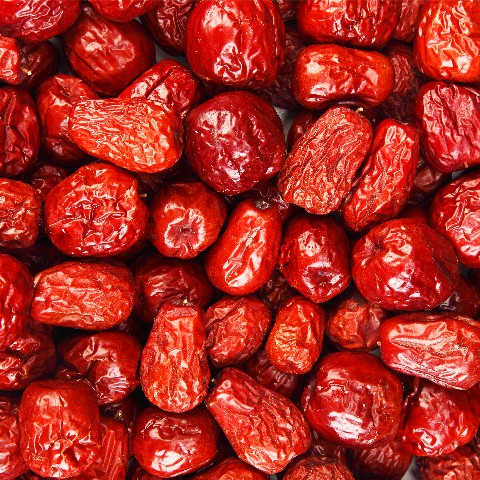
• Premium Jujubes: Dark red, smooth skin, thick flesh.
• Low-quality: Moldy, sulfur-tainted, or insect-damaged.
Market Value
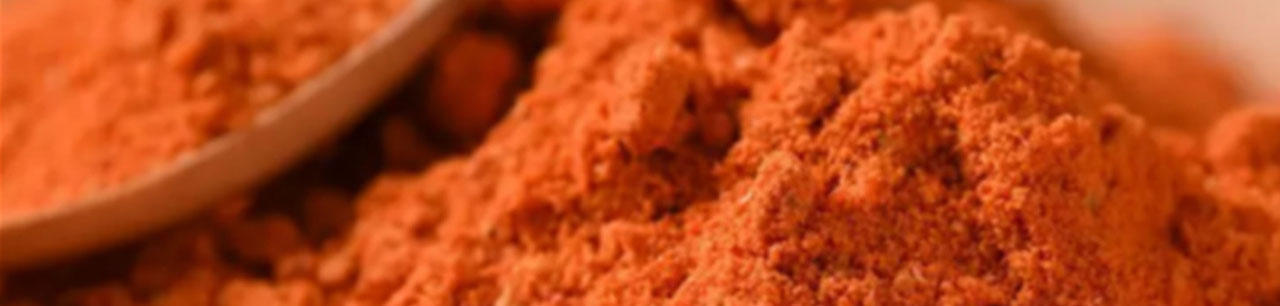
As the most revered of China’s "Five Fruits" (jujube, plum, apricot, chestnut, peach), Xinjiang produces >50% of the nation’s jujubes. Modern products like freeze-dried slices and jujube powder are trending among health-conscious consumers.